

Bachelor of Science in Nursing (BSN) – Complete Guide 2026
A Bachelor of Science in Nursing (BSN) is a popular degree for students who want to become professional registered nurses (RNs). Today, many hospitals and healthcare organizations prefer nurses with a BSN because they are trained not only in patient care but also in communication, leadership, and problem-solving. That is why people often search for questions like “What is a BSN degree?”, “BSN vs ADN”, “BSN salary”, and “Is a BSN worth it?” when planning a nursing career.
A BSN program teaches students both classroom knowledge and practical clinical skills. It prepares graduates to pass the NCLEX-RN exam and work in hospitals, clinics, and other healthcare settings. With a BSN degree, nurses usually have better job opportunities, higher earning potential, and more chances to continue their education in the future. For anyone interested in a stable and respected healthcare career, a BSN degree is a strong and reliable choice.
What Is a BSN Degree?
A Bachelor of Science in Nursing (BSN) is an undergraduate degree that prepares students to work as registered nurses (RNs). This degree combines classroom learning with hands-on clinical training in hospitals and healthcare facilities. A BSN program helps students develop not only nursing skills but also communication, leadership, and critical-thinking abilities needed in modern healthcare.
After completing a BSN degree, graduates are eligible to take the NCLEX-RN exam. Passing this exam allows them to apply for a nursing license and work legally as registered nurses. Because of their advanced education, BSN-prepared nurses are often preferred by hospitals and medical organizations.
Why Is a BSN Degree Important?
The healthcare industry is becoming more complex, and patients today require high-quality, safe, and evidence-based care. Because of this, many employers prefer nurses with a BSN degree.
Key reasons why a BSN is important:
- Better job opportunities
- Higher salary potential
- Preference by hospitals and healthcare systems
- Strong foundation for advanced nursing degrees (MSN, DNP)
- Improved patient care outcomes
Many countries and healthcare organizations aim to increase the percentage of BSN-prepared nurses to improve healthcare quality.
How Long Does It Take to Earn a BSN?
The time required to complete a BSN depends on your education and background:
Types of BSN Programs
- Traditional BSN: 4 years (for students with no prior nursing education)
- Accelerated BSN (ABSN): 12–24 months (for students with a previous bachelor’s degree)
- RN to BSN: 1–2 years (for licensed RNs with an ADN)
- LPN to BSN: 1–3 years (for licensed practical nurses)
Each pathway is designed to fit different career stages and educational backgrounds.
BSN Admission Requirements
Admission requirements may vary by institution, but most BSN programs require:
- High school diploma or equivalent
- Minimum GPA (especially in science subjects)
- Biology, chemistry, and math prerequisites
- Entrance exams (TEAS or HESI)
- Official transcripts
- Letters of recommendation (some programs)
Competitive programs often prefer students with strong academic records and healthcare-related experience.
BSN Curriculum and Subjects
A BSN curriculum combines theory, science, and clinical practice. Common subjects include:
- Anatomy and Physiology
- Fundamentals of Nursing
- Pharmacology
- Pathophysiology
- Medical-Surgical Nursing
- Pediatric and Maternal Nursing
- Mental Health Nursing
- Community and Public Health Nursing
- Nursing Leadership and Management
Clinical rotations allow students to apply classroom knowledge in real healthcare settings under professional supervision.
BSN vs ADN: Which Is Better?
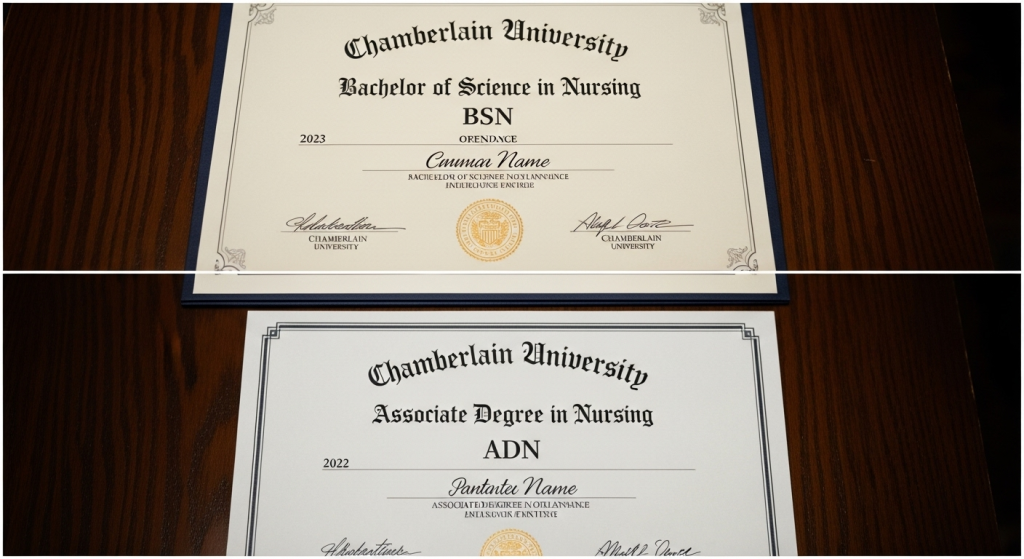
Both BSN and ADN graduates can become registered nurses, but there are key differences.
| Feature | BSN | ADN |
|---|---|---|
| Program Length | 1–4 years | 2 years |
| Education Focus | Theory + Leadership + Care | Hands-on Care |
| Job Opportunities | More | Limited |
| Salary Potential | Higher | Lower |
| Career Growth | Strong | Limited |
Many nurses start with an ADN and later complete an RN-to-BSN program to advance their careers.
How to Become a Registered Nurse With a BSN
Step-by-step process:
- Complete high school education
- Apply to an accredited BSN program
- Finish coursework and clinical training
- Graduate with a BSN degree
- Pass the NCLEX-RN exam
- Apply for RN licensure
- Start working as a registered nurse
BSN Salary and Earning Potential
BSN-prepared nurses generally earn higher salaries than ADN nurses.
Factors that affect BSN salary:
- Location
- Experience level
- Healthcare setting
- Specialty area
On average, BSN nurses earn more annually and have better chances for promotions and leadership roles.
Career Opportunities With a BSN Degree
A BSN degree opens the door to many nursing careers, including:
1. Staff Nurse
Work in hospitals, clinics, and healthcare facilities providing direct patient care.
2. Nurse Case Manager
Coordinate patient care and help patients navigate the healthcare system.
3. Community Health Nurse
Promote health and prevent disease in communities.
4. Aesthetic / Cosmetic Nurse
Work in dermatology and cosmetic clinics providing non-surgical treatments.
5. Nurse Informaticist
Use technology and data to improve healthcare systems.
6. Nurse Educator (with experience)
Teach future nurses in academic or clinical settings.
Online BSN and RN-to-BSN Programs
Many universities now offer online BSN and RN-to-BSN programs, making it easier for working nurses to continue their education.
Benefits of online BSN programs:
- Flexible schedules
- Study while working
- Lower travel costs
- Same degree value as on-campus programs
Clinical requirements are usually completed in local healthcare facilities.
Is a BSN Degree Worth It?
Yes, for most students and nurses, a BSN degree is worth it.
Advantages include:
- Higher earning potential
- Greater job security
- More career options
- Eligibility for advanced nursing degrees
- Leadership and management opportunities
Although it requires more time and money than an ADN, the long-term benefits often outweigh the costs.

Challenges of a BSN Program
While rewarding, BSN programs can be challenging:
- Heavy coursework
- Long clinical hours
- Time management difficulties
- Academic pressure
However, strong commitment and planning can help students succeed..
Frequently Asked Questions
Final Thoughts
Earning a Bachelor of Science in Nursing (BSN) is more than just a degree—it’s a gateway to a rewarding and high-demand career in healthcare. A BSN equips aspiring nurses with essential skills in patient care, critical thinking, leadership, and evidence-based practice, preparing them to handle complex medical environments confidently. Whether you aim to work in hospitals, community health, or specialty nursing fields like nurse informatics, case management, or cosmetic nursing, a BSN opens doors to greater job opportunities, higher salaries, and long-term career growth.
For those considering their future in nursing, investing in a BSN is worth the time and effort. The degree not only enhances your professional credibility but also makes it easier to pursue advanced nursing programs like MSN or DNP. With flexible options such as accelerated BSN, RN-to-BSN, and online BSN programs, students and working nurses alike can achieve their goals while balancing personal and professional commitments. Ultimately, a BSN ensures you are prepared to provide high-quality patient care while advancing your nursing career in today’s competitive healthcare industry.
