Chamberlain University Loan Full Guide 2025 (Helpful)
Paying for nursing school can be stressful, especially when tuition, books, uniforms, clinical costs, and living expenses start adding up. For many nursing students, Chamberlain University loans become one of the most reliable ways to manage school expenses without pausing their education.
This guide will help you clearly understand Chamberlain University financial aid, federal student loans, loan limits, eligibility, FAFSA, application steps, counseling requirements, and all repayment-related information — in simple, human-written English.
If you are a BSN, RN-to-BSN, MSN, or DNP student, this article will help you understand how Chamberlain University loans work, how much you can borrow, and which loan type is best for you.
What Are Chamberlain University Loans?
Chamberlain University loans are financial aid options offered through the Federal Direct Student Loan Program and through private lenders. These loans help students cover their tuition, books, technology fees, lab charges, and sometimes living expenses while studying.
Loans must be repaid, but the best part is:
Because nursing school is demanding, many students rely heavily on Chamberlain student loans to stay focused on their education instead of financial stress.
Types of Loans Available at Chamberlain University
Chamberlain offers three major loan categories, and each works differently. Understanding the difference will help you borrow smartly.
1. Federal Direct Loans (Most Popular & Best Option)
These loans come directly from the U.S. Department of Education. Federal loans are the safest, simplest, and most flexible choice for nursing students.
Federal Direct Subsidized Loan
Federal Direct Unsubsidized Loan
Why Students Prefer Federal Direct Loans?
These features make federal loans the best financial aid choice at Chamberlain College of Nursing.
2. Federal PLUS Loans (Parent PLUS / Graduate PLUS)
If you need more money after Direct Loans, PLUS Loans can cover the remaining cost of attendance.
Parent PLUS Loan
For dependent undergraduate students, parents can apply.
Credit check is required.
Graduate PLUS Loan
For MSN and DNP students, this loan helps cover the full cost of advanced nursing education.
PLUS Loan benefits include:
3. Private Student Loans
Private loans are provided by banks and online lenders, not the government.
Use them only when:
While Chamberlain offers a Preferred Lender List, they do not endorse any lender. Borrow carefully because:
If possible, always choose federal loans before private loans.
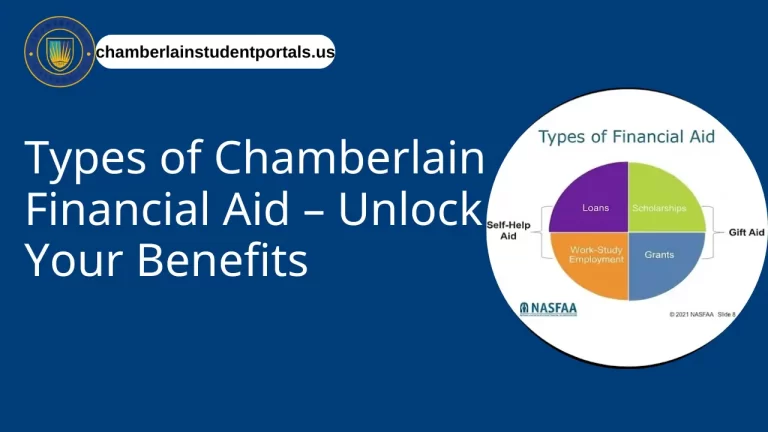
Need Any other Types of Chamberlain Financial Aid?
Chamberlain University Loan Limits (2025)
Here are the maximum federal loan limits, based on grade level and dependency status:
Dependent Undergraduate Students
Independent Undergraduate Students
Graduate Students (MSN, DNP)
These limits follow official federal guidelines and apply to all Chamberlain nursing programs.
How to Apply for Chamberlain University Loans (Step-by-Step Guide)
Applying for Chamberlain financial aid is simple. Follow these steps:
Step 1: Complete the FAFSA
Chamberlain University School Code: G06385
FAFSA determines your eligibility for:
Step 2: Review Your Financial Aid Package
FAFSA results take about 3–5 days, then your Chamberlain student portal will show your loan options and aid package.
Chamberlain University Tuition Fees & Financial Aid
Step 3: Accept Your Loans
Select:
Accept only what you genuinely need to avoid high debt.
Step 4: Complete Federal Entrance Counseling
Required for first-time borrowers.
Takes 20–30 minutes at studentaid.gov.
You’ll select:
Step 5: Sign Your Master Promissory Note (MPN)
This is your legal contract with the Department of Education.
You’ll need:
Step 6: Loan Disbursement
Once everything is approved, funds are sent directly to Chamberlain to pay:
Remaining money (if any) may be refunded to you for living expenses.
Chamberlain University Exit Counseling
Whenever you:
You must complete Exit Counseling at studentaid.gov.
This helps you understand your repayment obligations clearly.
Smart Borrowing Tips for Chamberlain Nursing Students
Borrowing loans wisely protects your financial future. Here’s the best strategy:
By following these tips, you graduate with lower debt and greater repayment flexibility.
Other Ways to Reduce Chamberlain University Costs
Besides loans, you can explore:
These reduce your loan dependence and improve long-term affordability.
Old Navy Credit Card FAQs
Conclusion: Is a Chamberlain University Loan Worth It?
If you are serious about a career in nursing, Chamberlain University loans can be one of the best ways to fund your education without interruptions. With flexible repayment options, low interest rates, and federal protections, federal loans make it easier for nursing students to stay focused on their classes, labs, and clinicals.
Just remember:
The right financial aid plan can help you graduate as a confident, debt-smart nursing professional.